As temperatures continue climbing across Madison and Milwaukee, homeowners are relying heavily on their air conditioning systems to stay comfortable. For many families, summer means making sure the AC is running efficiently, scheduling seasonal maintenance, and trying to avoid unexpected repair costs.
This year, many homeowners are also hearing more about “coolant changes,” refrigerant regulations, and rising air conditioning repair costs. Naturally, that leads to questions:
- Is my air conditioner outdated?
- Why are AC repairs getting more expensive?
- Should I repair or replace my system?
- What does this mean for my home long-term?
At Dave Jones, we believe homeowners deserve straightforward answers — not scare tactics. Here’s what’s actually happening in the HVAC industry, why refrigerant changes matter, and what homeowners in Madison and Milwaukee should know about their air conditioning systems.
What Does Refrigerant Actually Do in an Air Conditioner?
Refrigerant — sometimes called “coolant” by homeowners — is the substance your air conditioner uses to remove heat from your home. It circulates through the system, absorbing indoor heat and releasing it outside.
Without refrigerant, your AC simply can’t cool your home effectively.
Over the years, different types of refrigerants have been used in residential HVAC systems. Older systems commonly used R-22 refrigerant, while many newer systems use R-410A. Now, the HVAC industry is transitioning again toward newer refrigerants designed to reduce environmental impact and improve efficiency.
For homeowners, this matters because the type of refrigerant your system uses can directly affect future repair costs and replacement decisions.
Why Refrigerant Changes Matter for Older Air Conditioners
One of the biggest misconceptions we hear is:
“If my air conditioner still works, I don’t need to worry.”
And in many cases, that’s true. Plenty of older systems can continue running reliably with proper AC maintenance.
However, refrigerant phase-outs can make repairs more complicated as systems age.
As older refrigerants become less common, supplies become more limited and more expensive. That means repairs involving refrigerant leaks, compressors, or sealed system components can cost significantly more than homeowners expect.
In some cases, an older air conditioner may still technically be repairable — but the repair may no longer make financial sense compared to investing in a newer, more efficient system.
This is especially common with systems that are:
- 10–15+ years old
- Using outdated refrigerants
- Experiencing repeated repair issues
- Losing cooling performance during peak summer heat
That doesn’t automatically mean replacement is necessary. It simply means homeowners should understand the bigger picture before an emergency repair becomes unavoidable.
Signs Your Air Conditioner May Be Near Replacement
One of the most valuable things homeowners can do is recognize warning signs early instead of waiting for a complete breakdown.
Here are some common indicators your system may be approaching the end of its lifespan:
Frequent Repairs
If you’re calling for AC service every summer, repair costs can start adding up quickly.
Rising Energy Bills
Older systems often lose efficiency over time, especially during Wisconsin’s humid summer months.
Uneven Cooling
Hot upstairs rooms, weak airflow, or inconsistent temperatures can signal system wear.
Refrigerant Leaks
Leaks are becoming more expensive to address as older refrigerants become harder to source.
Your System Is Over 10–15 Years Old
Age alone doesn’t mean your AC needs replacement, but older systems are naturally more likely to experience major component failures.
At Dave Jones, our goal is never to pressure homeowners into replacing equipment early. Sometimes a repair is absolutely the right choice. Other times, investing money into an aging system simply doesn’t provide good long-term value.
That’s why honest inspections and clear communication matter.
Why AC Maintenance Matters More Than Ever
One of the best ways to avoid surprise repair decisions is by scheduling regular preventative AC maintenance.
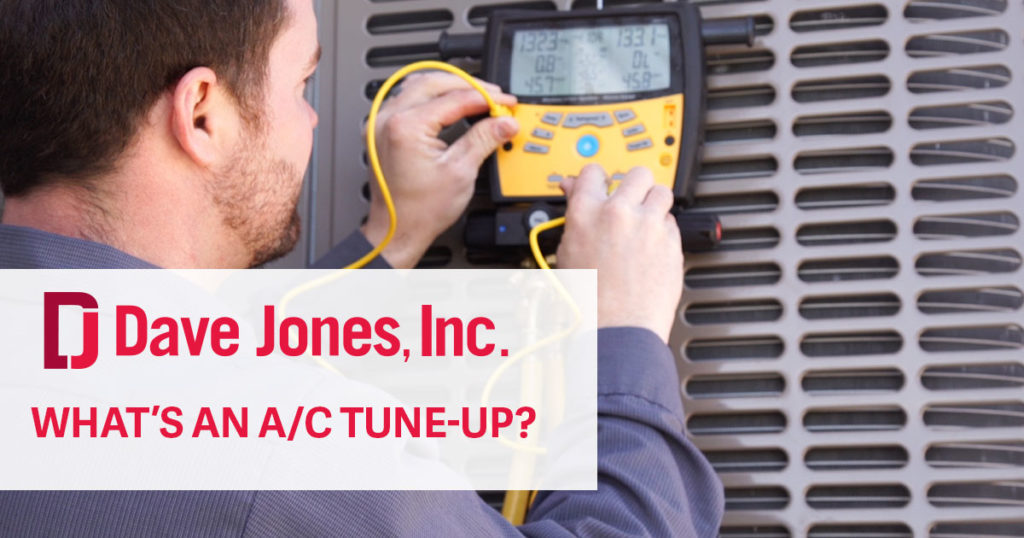
During a professional air conditioning tune-up, technicians can often identify small issues before they become expensive system failures. Maintenance also helps homeowners better understand:
- The overall condition of the system
- Whether refrigerant levels appear normal
- How efficiently the system is operating
- Whether parts are showing signs of wear
For homeowners in Madison and Milwaukee, regular AC maintenance can help:
- Improve cooling efficiency
- Lower strain on the system
- Reduce the likelihood of emergency repairs
- Extend equipment lifespan
- Keep energy bills more manageable
Routine maintenance becomes even more important as refrigerant changes continue affecting repair availability and long-term operating costs.
Should You Repair or Replace Your Air Conditioner?
This is where every situation becomes unique.
A well-maintained system may still have several good years left, even if it’s older. On the other hand, a major repair involving outdated refrigerant can sometimes push homeowners closer toward replacement than they expected.
The key is making an informed decision — not a rushed one during an emergency.
At Dave Jones, we encourage homeowners to ask questions like:
- How old is my system?
- What refrigerant does it use?
- Are repair costs likely to increase?
- How efficient is the system compared to newer equipment?
- Would continued repairs still make sense financially?
Our job is to help homeowners understand their options clearly so they can make the decision that feels right for their home and budget.
FAQ: Air Conditioner Refrigerant Changes
Is refrigerant the same thing as AC coolant?
Yes. Homeowners often refer to refrigerant as “coolant.” Both terms describe the substance your air conditioner uses to transfer heat and cool your home.
Does outdated refrigerant mean I need a new AC system?
Not necessarily. Many older systems can still operate effectively. However, repairs involving outdated refrigerants can become more expensive as supplies become limited.
How do I know what refrigerant my AC uses?
A licensed HVAC technician can identify the refrigerant type during an AC maintenance visit or inspection. The information is also sometimes listed on the outdoor unit nameplate.
What is R-22 refrigerant?
R-22 was a common refrigerant used in older air conditioners for many years. It has been phased out due to environmental regulations, which has increased the cost and limited the availability of repairs involving R-22 systems.
Is AC maintenance still worth it on an older system?
Absolutely. Regular AC maintenance can help improve efficiency, extend the lifespan of the equipment, and identify issues early — even on older systems.
How long should a home air conditioner last in Wisconsin?
Most residential air conditioners last around 10–15 years, depending on maintenance, usage, and overall system condition.
Helping Madison and Milwaukee Homeowners Stay Comfortable
Air conditioning technology is changing, and refrigerant regulations are part of that shift. But homeowners shouldn’t feel overwhelmed by industry changes or pressured into making immediate decisions.
The best step is simply staying informed.
Whether your system is brand new or approaching the end of its lifespan, preventative AC maintenance and honest professional guidance can help you avoid surprises and stay comfortable all summer long.
For homeowners in Madison and Milwaukee, Dave Jones is here to help with trusted air conditioning maintenance, inspections, repairs, and expert recommendations designed around what’s best for your home — not a sales pitch.