Water Softeners
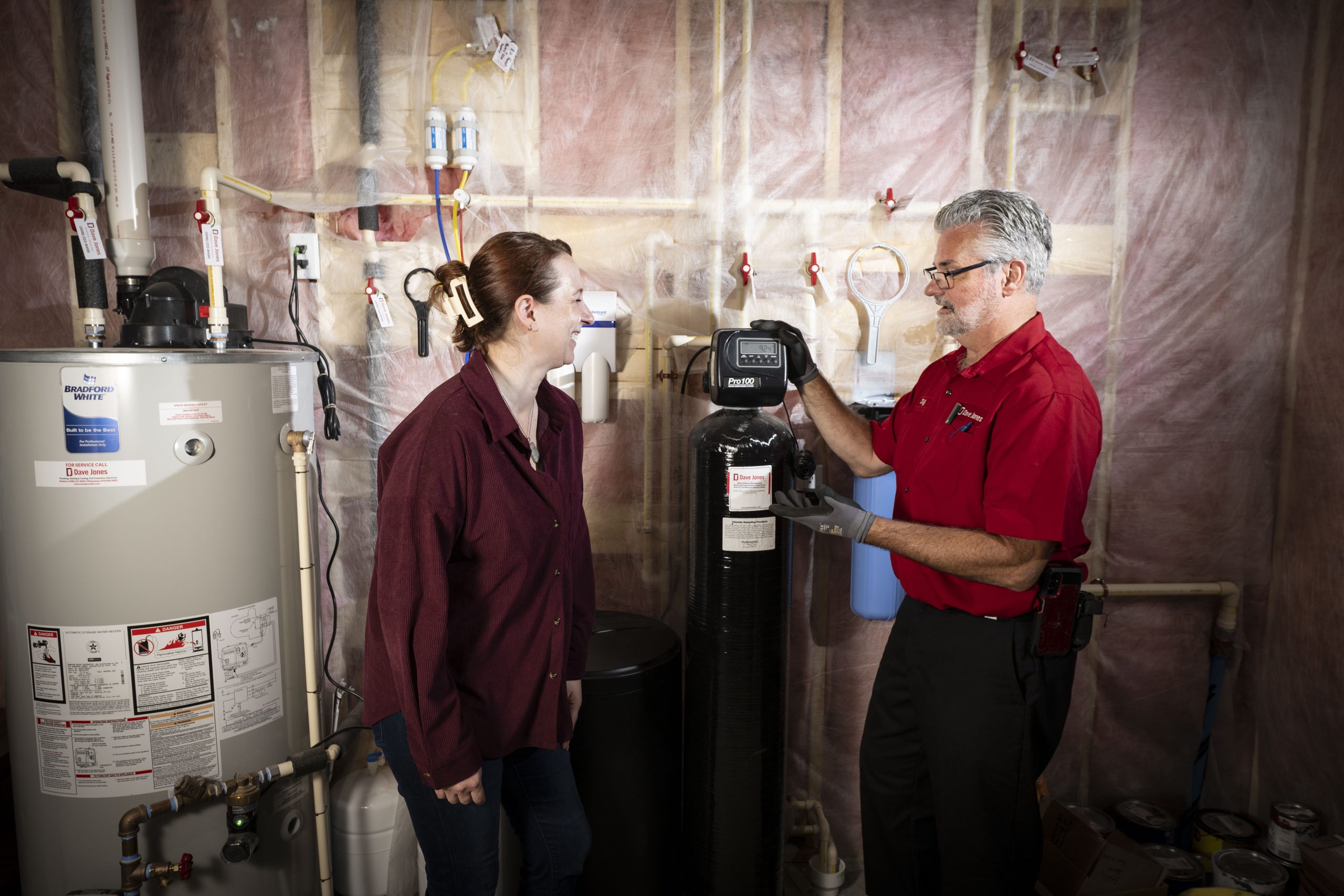
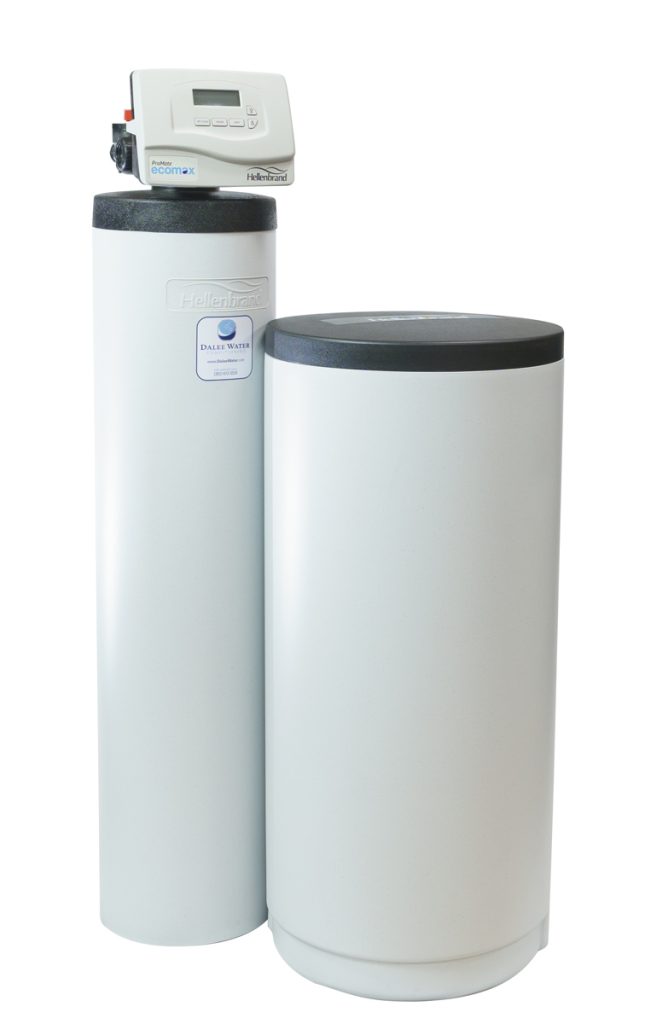
A water softener removes excess minerals—primarily calcium and magnesium—from your home’s water supply. The result is softer water that helps protect plumbing, improves cleaning performance, and can extend the life of water-using appliances.
Water Softeners
Hard water is a common issue for homeowners throughout Wisconsin. If you’re noticing white spots on dishes, soap that doesn’t lather well, dry skin after showering, or mineral buildup on fixtures and appliances, hard water may be the cause.
Whether you’re replacing an aging unit or installing a water softener for the first time, our plumbing professionals can help you find the right solution for your home.
What Is Hard Water?
Hard water contains high levels of naturally occurring minerals that are picked up as water moves through soil and rock. While these minerals are not harmful to drink, they can create challenges throughout your home.
Common Signs of Hard Water
- White spots or streaks on dishes and glassware
- Soap scum buildup on showers, tubs, and sinks
- Dry skin and dull hair after bathing
- Stiff, scratchy laundry
- Reduced water pressure from mineral buildup in pipes
- Scale deposits on faucets and fixtures
- Decreased efficiency of water heaters and appliances
- Increased soap and detergent usage
If you’re experiencing any of these issues, a water softener may be the solution.
Benefits of Installing a Water Softener
Mineral deposits can accumulate inside pipes over time, restricting water flow and placing additional strain on your plumbing system. Soft water helps reduce scale buildup and supports healthier plumbing performance.
Hard water can shorten the lifespan of appliances such as:
- Water heaters
- Dishwashers
- Washing machines
- Ice makers
- Coffee makers
By reducing mineral buildup, a water softener helps these appliances operate more efficiently.
Softened water allows soaps and detergents to work more effectively, helping you achieve:
- Brighter, cleaner laundry
- Softer towels and clothing
- Spot-free dishes and glassware
- Less soap residue on fabrics
Many homeowners notice softer-feeling skin and hair after switching from hard water to softened water. Soap rinses away more completely, helping reduce the drying effects associated with hard water.
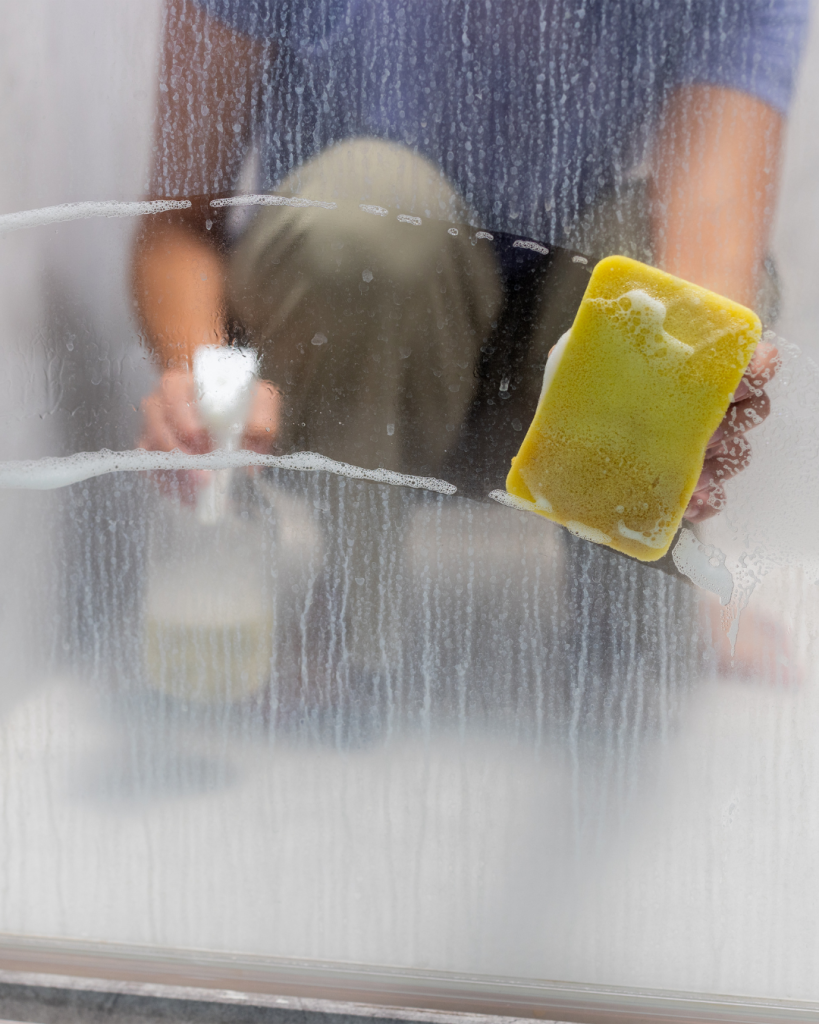
Soft water helps minimize the stubborn white deposits that often appear on:
- Faucets
- Shower doors
- Sinks
- Bathtubs
- Fixtures
Less buildup means less scrubbing and easier cleaning.

When Should You Replace Your Water Softener?
Like any home comfort system, water softeners don’t last forever. If your current unit is no longer performing as it should, replacement may be the most cost-effective option.
Signs You May Need a New Water Softener
- Hard water symptoms have returned
- The system requires frequent repairs
- Excessive salt consumption
- Visible leaks or damage
- Reduced water pressure
- The unit is more than a decade old
- Unusual noises during regeneration cycles
When you work with us, you can expect:
- Professional recommendations
- Quality installation
- Reliable workmanship
- Answers to your questions
- Ongoing support from a trusted local team
Modern water softeners are significantly more efficient than many older models. Newer systems often use less water, less salt, and regenerate only when necessary, helping improve overall performance.
Professional Water Softener Installation
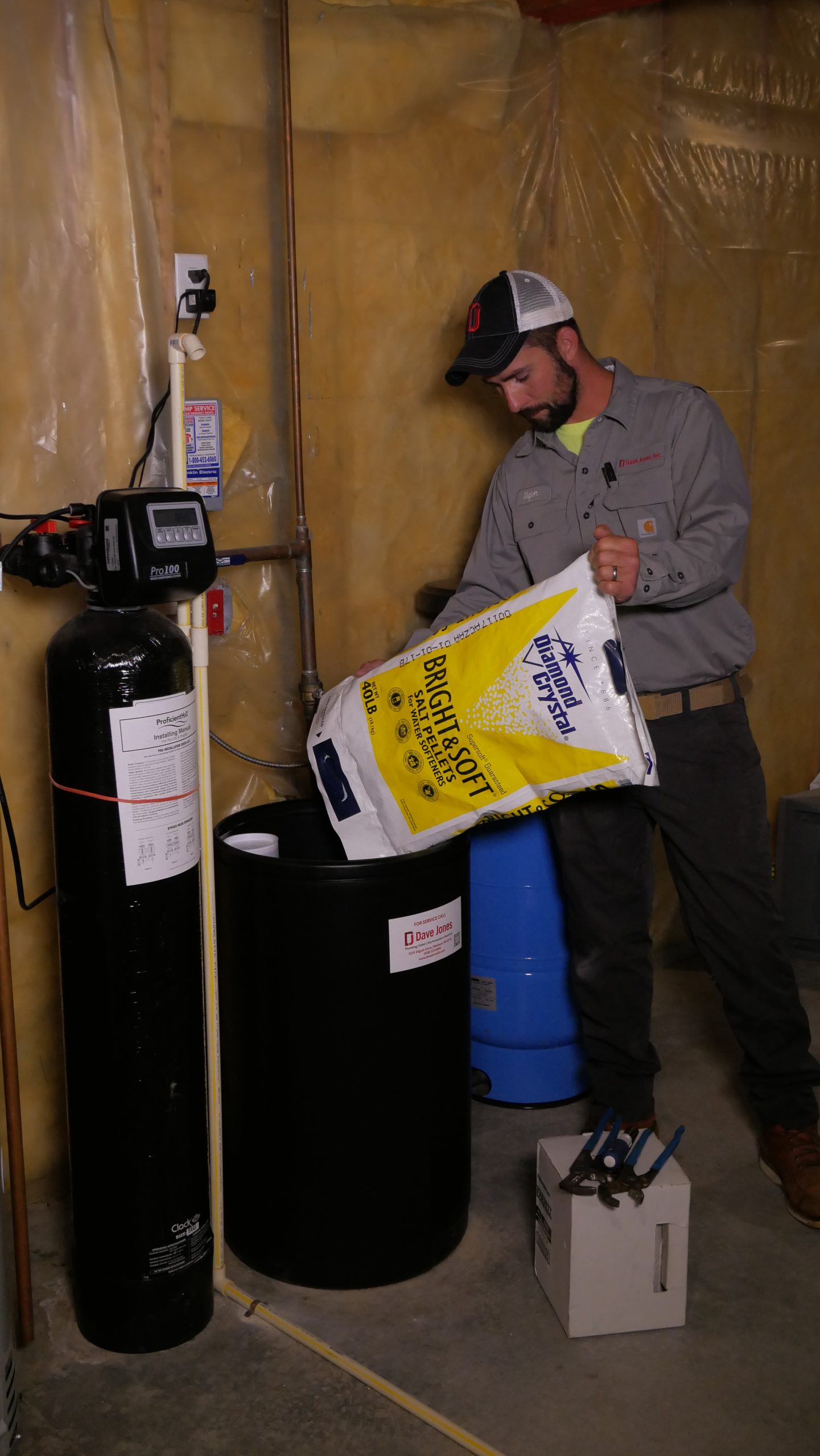
Choosing the right water softener depends on several factors, including household size, water usage, and water hardness levels. Our experienced plumbing team can evaluate your needs and recommend a system designed for your home.
Frequently Asked Questions About Water Softeners
Related Homeowner Resources
- Top Reasons You Need a Water Softener
- Top 3 Reasons Your Water Heater Needs a Check-Up
- How Hard Water Affects Your Plumbing System
- Signs It’s Time to Replace Your Water Heater
- Water Quality Solutions for Wisconsin Homes